
Dining is a Social Event
In Italy, eating alone or rushing through a meal is almost a sin. The dining table is the center of the household and social life. Meals are meant to be long, conversational, and enjoyed with family and friends over a bottle of wine.
A traditional Italian meal structure is designed for lingering: starting with the Aperitivo, moving to Antipasti, the starchy Primo (pasta or rice), the protein-heavy Secondo with a Contorno (side), and finally finishing with Dolce and an espresso.
Regional Diversity (Campanilismo)
There is no such thing as "Italian food"—there is Sicilian food, Tuscan food, Roman food, and Neapolitan food. Italy was unified relatively recently (1861), meaning each region maintained its hyper-local traditions.
The North uses butter, rice, and polenta heavily due to the cooler climate and dairy farming. The South relies on olive oil, dried pasta, and sun-loving vegetables like tomatoes and eggplants. Eating locally means embracing this profound diversity.
The Rule of Fresh Ingredients
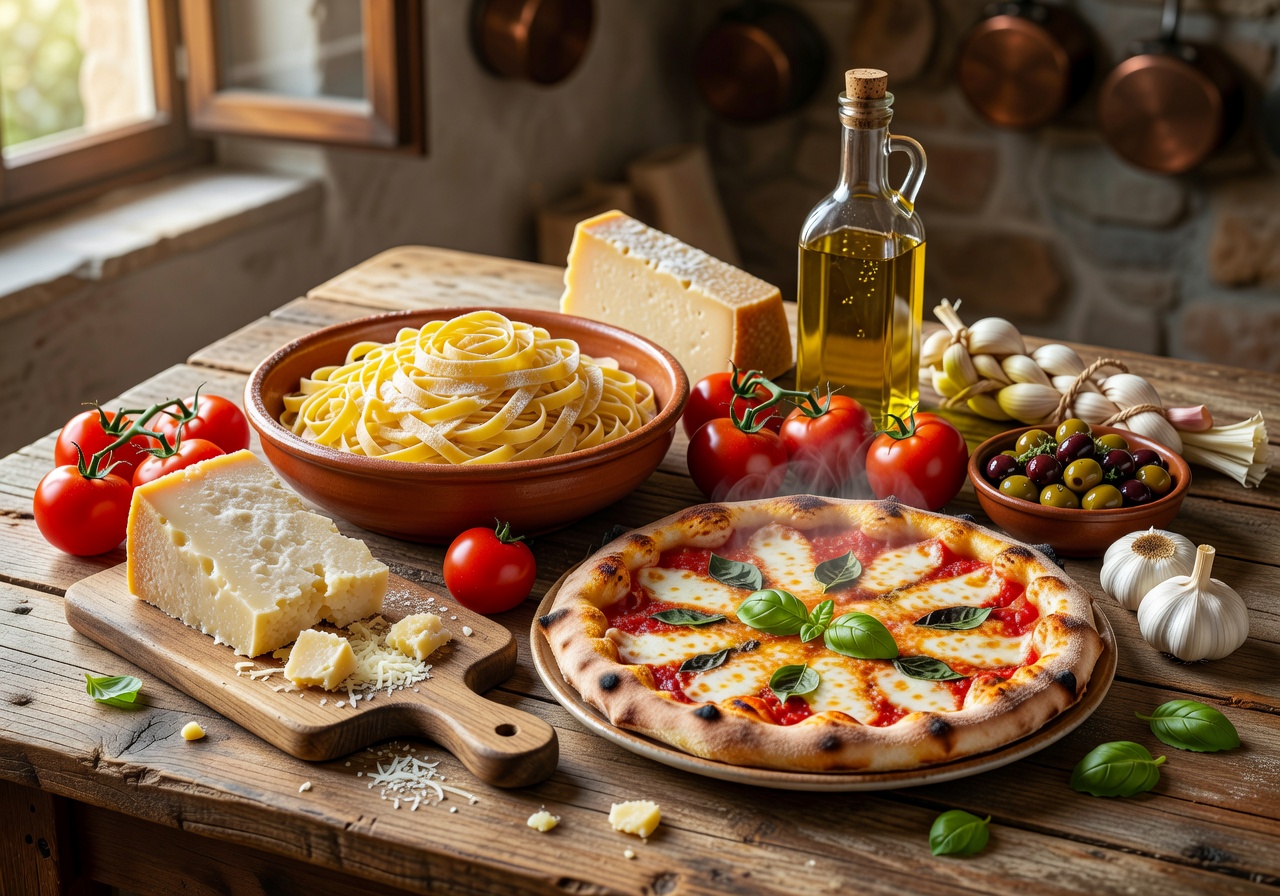
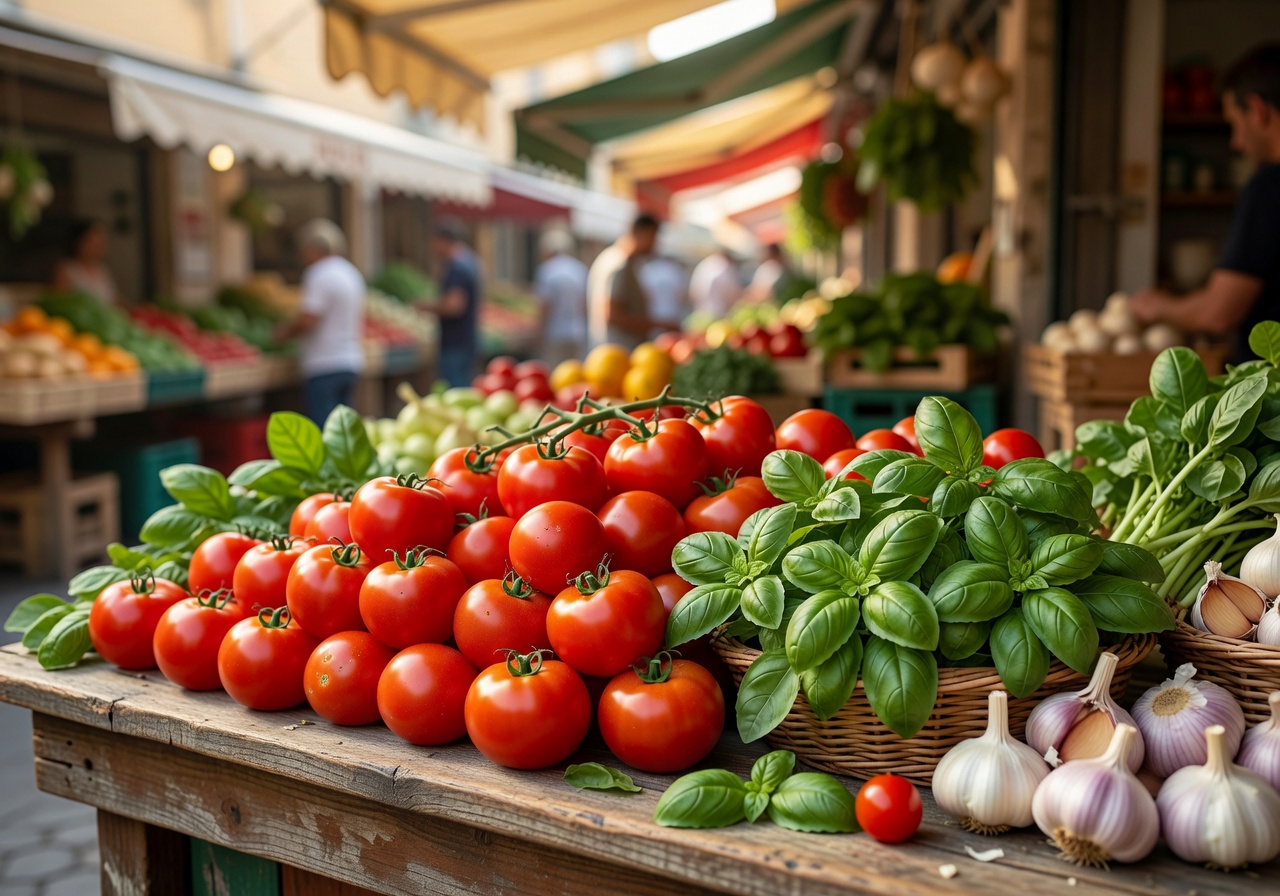
The secret to Italian cooking is that there is no secret. It is entirely dependent on the quality of the raw ingredients. You cannot mask poor-quality tomatoes with spices; Italian recipes usually feature five ingredients or fewer.
When cooking Italian food at home, the best thing you can do is shop seasonally and buy the best extra virgin olive oil, real Parmigiano-Reggiano, and fresh produce you can find.